Summary: Why UK Enterprises Are Leaving WordPress Behind
For over a decade, WordPress was the default content management system for UK businesses. However, in 2026, high-growth SMEs and mid-market enterprises face a stark reality: legacy WordPress architectures suffer from severe plugin bloat, vulnerability exploits, sluggish load times, and poor adaptability for generative AI search engines.
Migrating to a custom, headless React/Next.js web platform delivers sub-1-second load times, zero plugin vulnerability attack surfaces, and seamless native API integration with AI agents and custom CRMs.
1. The Total Cost of Ownership (TCO) Shift
While a basic WordPress template appears cheap upfront, the hidden TCO escalates rapidly for scaling businesses:
- -Security & Maintenance Overhead: UK businesses spend an average of £2,400–£6,000 annually managing plugin updates, database cleanups, and malware remediation.
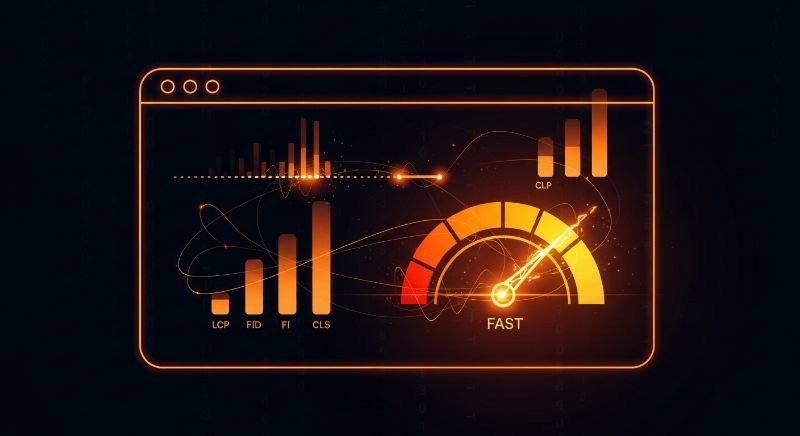
- -Performance Drag: Every additional plugin adds database queries and blocking render scripts, degrading Google Core Web Vitals (LCP & INP).
- -Opportunity Cost: A 1-second delay in page load time reduces mobile conversion rates by up to 20% across UK commercial sectors.
2. Headless vs. Monolithic Architecture Comparison
| Feature | Legacy Monolithic WordPress | Headless Next.js / React System | | :--- | :--- | :--- | | Page Speed & TTFB | 1.8s – 4.5s average | 0.2s – 0.6s global edge delivery | | Security Risk | High (Plugin exploits, PHP vulnerabilities) | Maximum (Static Edge & Immutable Assets) | | AI Search (AEO/GEO) | Requires heavy client-side JS plugins | Native SSG JSON-LD + llms.txt integration | | Scalability | Relies on server caching layers | Infinite edge CDN scaling (Vercel/Cloudflare) | | Custom Workflows | Restricted by theme hooks | 100% custom React components & API endpoints |
3. Why Headless Next.js Wins for AI Search Optimization (AEO/GEO)
Generative AI search engines like ChatGPT, Claude, and Perplexity demand structured, fast, extractable information.
"AI agents do not parse bloated HTML with 40 third-party JavaScript tracking scripts. They extract clean semantic markup, fast static HTML, and pre-rendered JSON-LD schema."
By utilizing Server-Side Generation (SSG) and clean React components, your web platform delivers instant responses that AI crawlers can index and cite effortlessly.
4. Key Transition Steps for UK Businesses
- -Audit & Extract: Catalog all existing URLs, domain authority rankings, and high-converting content assets.
- -Design System Creation: Build a bespoke UI/UX component library tailored specifically to your brand psychology.
- -API Integration Layer: Connect custom web forms directly to your internal CRM, AI voice agents, and analytics engines via secure serverless functions.
- -Zero-Downtime Migration: Execute 1:1 301 redirect mapping to preserve all existing SEO rankings during the transition.
Frequently Asked Questions
Is a custom Next.js web system harder to update than WordPress?
Not at all. We integrate user-friendly headless CMS tools (like Sanity or Strapi) that allow your internal marketing team to edit text, publish blogs, and add team members in a visual editor without touching a single line of code.
How long does a headless web platform migration take?
A standard enterprise migration typically takes between 3 to 6 weeks from initial design wireframing to live edge deployment.
Schedule a Free Systems Consultation → | Explore Our Engineering Services →
Is your website actively losing you leads?
Slow mobile load times cause over 50% of visitors to bounce before reading your value proposition. Get a detailed Google PageSpeed & SEO audit report for your business in under 2 minutes.
Run Free Website Audit →